

Rather than using one system to both store and display content, a Headless CMS separates the content storage (“body”) from the presentation layer (“head”), and lets developers and content teams operate independently and in parallel. That separation gives teams a lot of flexibility, and the best web design agencies know how to harness that without letting the design and content strategy drift apart.
It isn’t perfect for every case, but it excels when you need unified content delivered across devices, apps, and interfaces using APIs, performance that scales globally, and a design that isn’t locked into theme templates. Read on to see how the best web design agencies design for headless CMS.
Start With Real Content and Component‑Driven Design
Good design for headless CMS begins long before the code base. If your designer is sketching on lorem ipsum and placeholders, projects stall later. Best agencies get real content into the workflow early, so designs reflect actual text length, media variations, and use cases.
Component‑driven design helps a lot here. Think modular UI blocks that pull only what they need via APIs and display it consistently no matter where it lives. Designers and developers agree on these blocks up front and then iterate together, reducing surprises later.
Build With APIs and Front‑End Flexibility in Mind
The big architectural shift in headless is that everything flows through APIs. The content management system should serve structured content while the front end consumes it, whether it’s a React site, a mobile app, or even a digital kiosk.
Agencies that succeed don’t treat APIs as an afterthought. They design endpoints and data schemas with both editorial needs and UI patterns in mind. Choose between REST and GraphQL, depending on use case. REST is often preferred for simpler data needs and when a standardized, cacheable interface is sufficient. GraphQL often cuts unnecessary data over the wire and helps performance on slower connections
Prioritize Performance From Day One
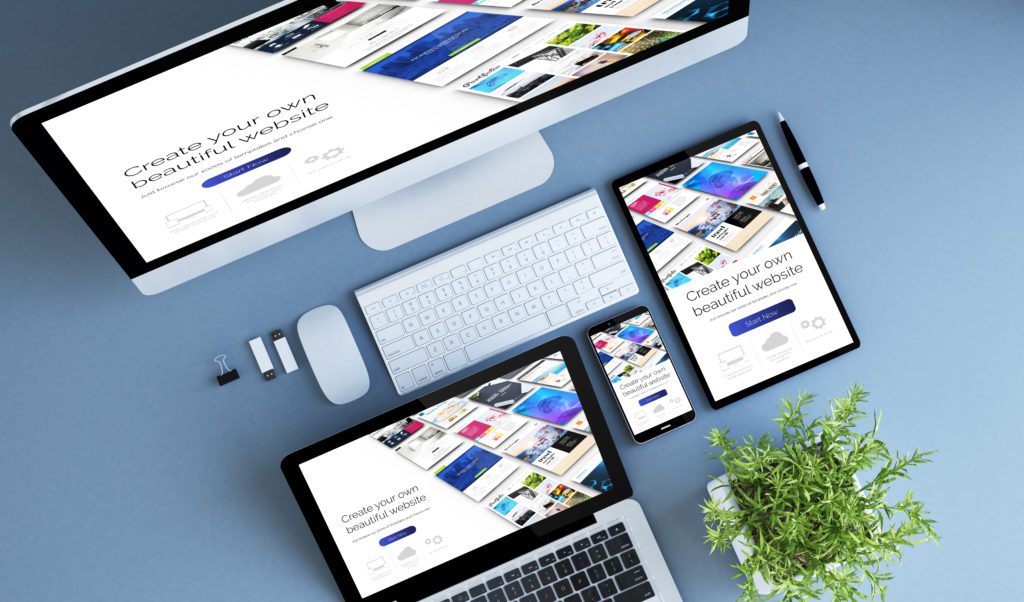
Headless architectures can be fast, but that speed doesn’t come without work. The CMS is only part of the story. You still need smart caching, use of content delivery networks (CDNs), image resizing and optimization, and careful client‑side logic that doesn’t block rendering.
Performance affects SEO, engagement, conversions, and user satisfaction. A well‑configured CDN reduces latency and boosts load times by caching content on servers nearer to users, helping with search metrics like load time, engagement, and stability that search engines reward. Top teams bake these performance checkpoints into every sprint rather than waiting until the last minute to “make it faster.”
Collaborate Across Teams Early and Often
When top web design agencies talk about headless CMS design, they mean something deeper than “design meets development.” They mean designers, developers, content strategists, and SEO specialists are synced early. A headless CMS can be confusing if each silo assumes the other will fill in gaps later.
Good teams build a shared language about content models, editorial workflows, component behavior, and front‑end tech. That shared language prevents surprises, helps with testing against real data, and means less rework down the line.
Think Long‑Term, Not Just Launch
Headless projects are investments. The best agencies design with maintenance, scalability, and future needs in mind. A static design that worked last year might not adapt when you add a mobile app or voice interface next year.
The best web design agencies also document not just code comments but also pattern libraries, data schemas, and editorial guidelines that help future teammates pick up where others left off without confusion.
Choose the Right Tools and Platforms
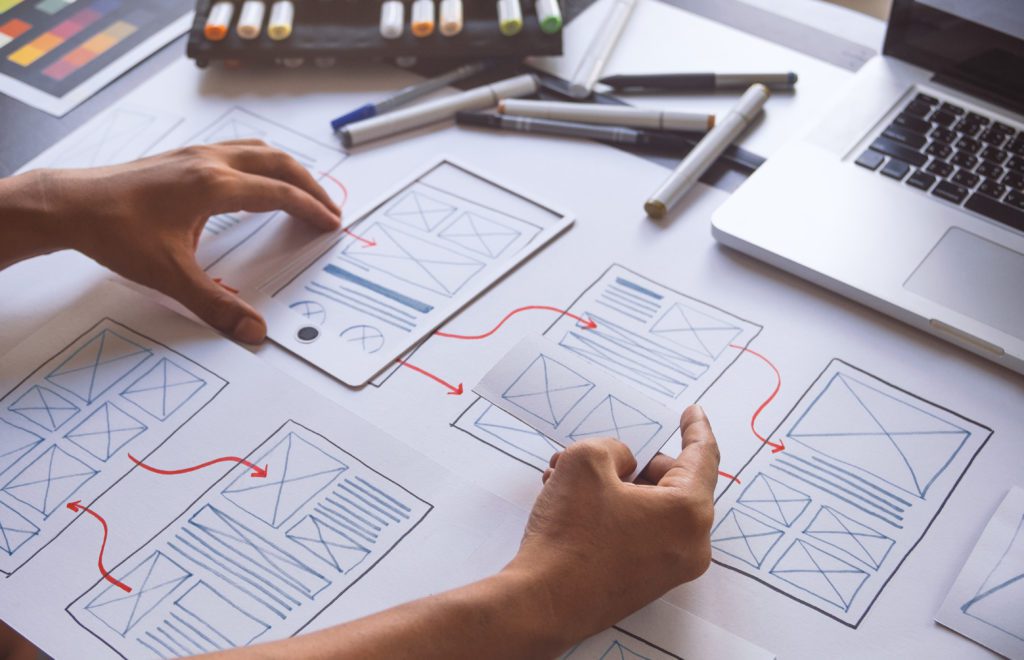
There’s no singular “best” headless CMS, but some great platforms illustrate how this architecture supports design when implemented well. Contentful lets teams manage structured content accessed via APIs from anywhere.
Platforms like Kontent.ai offer enterprise‑level API support and scalable workflows, helping top web design agencies design experiences that really deliver content to multiple channels.
Close With a Practical Mindset
Good headless CMS design isn’t about fancy frameworks or flashy tech. It’s about solving real content delivery problems without locking teams into rigid templates. It blends design thinking with API‑first architecture and hands‑on testing with actual editorial content.
If you want experienced partners who understand this mix of design, performance, and content strategy, check out our verified list of best web design services companies and find the right team for your project.