

Most people decide how they feel about a website in seconds, sometimes less. A Stanford study found that 75% of users judge a company’s credibility based on website design alone. The hero section carries a stupid amount of pressure because it’s the first thing people see before they scroll, click, or leave.
And honestly, a lot of hero sections are bad. Big background video. Vague headline. Tiny button floating somewhere in the corner like it lost confidence halfway through the design review. Somebody spent six hours animating abstract shapes while the actual value proposition got buried under gradients and “clean aesthetics.”
A strong hero section not only looks nice: it also creates momentum. It tells people where they are, why they should care, and what to do next, fast. That matters even more now because attention spans on the web keep shrinking. According to research from the Nielsen Norman Group, users often leave pages within 10 to 20 seconds unless something immediately grabs attention.
In this article, we cover the principles behind the best hero section designs for engagement.
Hero Sections Aren’t About Decoration
A lot of teams still treat hero sections like digital billboards. They use big images, add a clever line and fancy button, and they’re done.
That thinking causes problems because websites are not static ads. People arrive with intent. They’re trying to solve, buy, or compare something. They’re figuring out if your company is legit or if it’s another startup with a mountain logo and a paragraph about “innovation.”
Good hero sections reduce mental friction. Bad ones increase it.
The difference sounds subtle until you watch user recordings. People hesitate when messaging is unclear. They scroll up again. They stop moving entirely. Every extra second of confusion chips away at engagement. First impressions matter when it comes to website design and conversions. One effective way to make a strong impression is to use a hero image on the home page that complements your offer.
Clear Headlines Still Win

Simple headlines work because humans scan before they read.
A homepage that says “Accounting software for small construction companies” will usually outperform one that says “Building financial futures through innovation.” One tells people something useful, while the other sounds like it came from a conference room with too much coffee and not enough sleep.
Short headline. Supporting text underneath. One primary action. That’s usually enough.
Apple does this constantly on Apple’s website. Same with Stripe. The structure stays simple because simple scales. Once messaging gets muddy, engagement drops hard.
And yeah, somebody always argues that users “love storytelling.” Sure, sometimes, but not before they understand what the site actually does.
Strong Visual Hierarchy Beats Fancy Effects
Visual hierarchy is basic human behavior. Eyes move toward contrast, size, spacing, and motion. That’s it. Design is partly psychology wearing nicer clothes.
The best hero sections guide attention naturally. Headline first. Supporting copy second. Call-to-action third. Everything else stays quiet.
This is where many websites collapse under their own ambition. Carousels sliding every four seconds. Three competing buttons. Background videos fighting the text. It becomes visual traffic noise.
Nielsen Norman Group found that cluttered hero sections on home pages overloads users they leave. Sometimes restraint is the more advanced design skill.
Mobile Hero Sections Need Different Thinking
A hero section that looks incredible on a 27-inch monitor can become unusable on mobile.
Text wraps badly. Buttons shrink. Images crop awkwardly. Then someone says, “Well, technically it’s responsive.”
Technically responsive is not the same as comfortable to use.
Mobile visitors behave differently. There’s faster scrolling, less patience, and more distractions. Research from Google’s Think With Google shows mobile users are highly likely to abandon websites that feel slow or difficult to navigate.
So the best mobile hero sections reduce clutter aggressively with fewer words, clear spacing, bigger tap targets, and faster loading images.
Actually… this is the part many companies resist. Because everybody wants the homepage to say everything at once. Every service. Every award. Every feature. Every possible reassurance. It turns into digital hoarding. Then engagement tanks and nobody knows why.
People don’t need everything immediately. They need enough to continue.
Motion Can Help, Until It Doesn’t

Animation works best when it supports meaning. Small transitions. Hover states. Soft movement guiding attention. Those things help users understand the interface.
But giant autoplay videos? Depends.
Sometimes they work beautifully. Think product demos, fashion brands, gaming companies, sports media, and visual-first industries. Motion can create emotional pull there. It adds energy.
Other times, though, it destroys performance.
According to Google Web.dev, loading speed directly impacts user retention and conversions. Heavy hero assets often become the biggest performance problem on modern websites.
A hero section should never feel like it’s fighting the browser.
Social Proof Belongs Near the Top
People trust other people more than marketing copy. That’s why some of the highest-performing hero sections include customer logos, testimonials, review scores, or usage numbers near the top of the page.
Slack and Shopify have done this well for years on their respective homepages. Quick credibility signals reduce hesitation.
The trick is placement.
Too much social proof too early feels defensive, while too little can reduce trust. The balance matters more than people think.
Hero Section Design Is Tied to Performance
Splitting design and development into separate buckets is a mistake, as users experience the final result as one thing.
If a hero section looks beautiful but takes five seconds to load on mobile data, people still blame the website.
Core Web Vitals from Google Developers continue to shape how websites perform in search and user experience benchmarks. Speed, stability, and responsiveness now affect visibility as much as aesthetics affect perception.
Fast sites feel easier to trust as humans associate speed with competence. Same reason people get nervous when automatic doors don’t open quickly.
The Best Hero Sections Feel Obvious
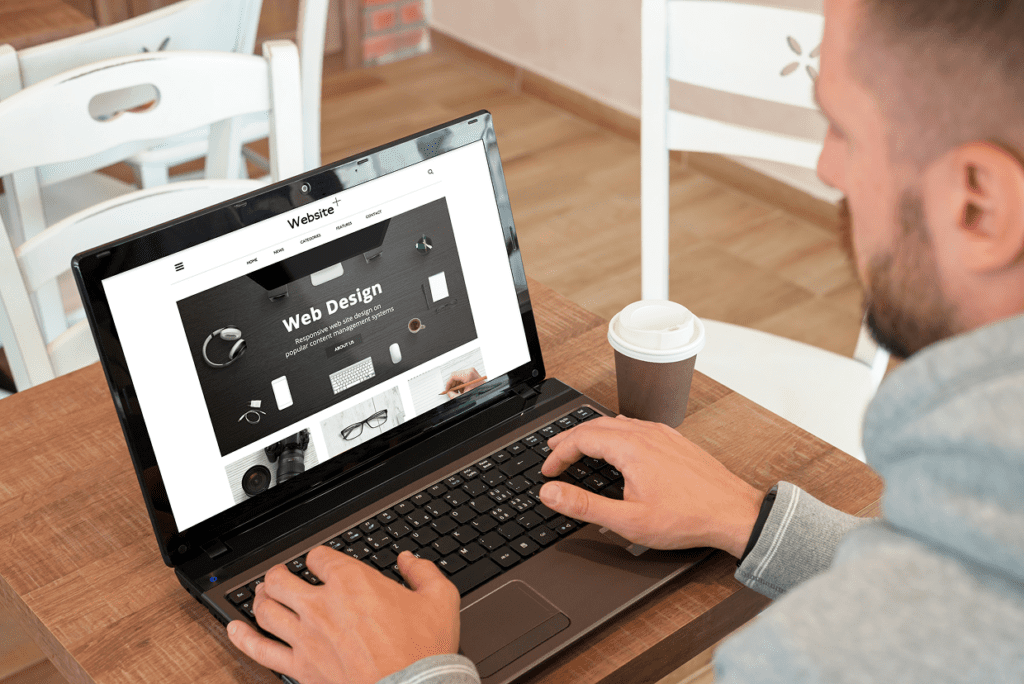
In an ideal world, users land on the page and instantly understand the next step. No decoding. No scavenger hunt. No dramatic cinematic opening sequence before the content appears. That trend needs to calm down a bit.
The strongest hero sections balance clarity, speed, hierarchy, emotion, and usability together. They drive engagement not because they follow trends, but because they remove friction while still feeling human.
This is where great design agencies separate themselves from average ones. Anybody can build a pretty homepage now. The harder skill is building a hero section that quietly guides behavior without feeling manipulative or bloated.
Looking for ways to grow engagement? Check out our list of leading web design companies that create hero section designs built for stronger engagement, better usability, and higher conversion rates.